
Running the World on a Budget: 8 Ways to Save Money on Racecations
As an avid traveler who loves to race - often planning my trips around running and racing, I’ve learned a few ways to save money through the years so I can take even more racecations throughout the year. I usually take 2-3 international trips each year (from the States) + travel to at least 2 new states, almost all involving a race or running in some capacity. The majority of these international racecations in the past 3 years cost between $2000-3000 USD for 7-13 days of travel. At the time of this post, I’ve run a half or full marathon in 7 countries outside of the States + 36/50 states.
Below are the biggest ways you can save money on racecations – especially international trips – so you can do more running in more beautiful places!
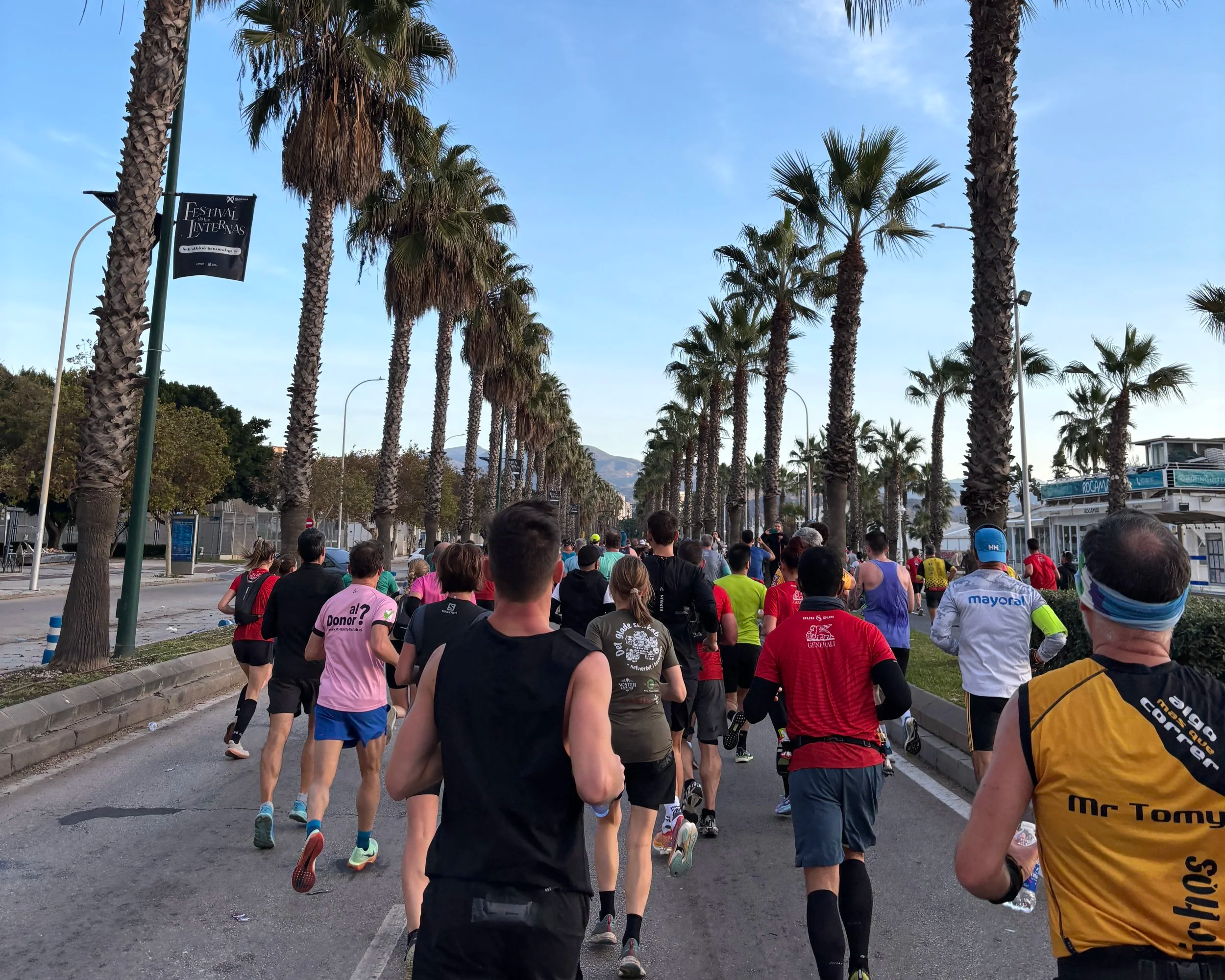
The Malaga Half Marathon in Spain is a fun race held in December
1. Get a travel credit card
I didn’t have a travel credit card until about 3 years ago and I kick myself for it. While you do need to pay an annual fee for these cards (the good ones anyway), the value of the card FAR exceeds the annual fee. You earn points when you make your everyday purchases, which you can redeem for flights and hotels, either within the credit card’s travel cportal or by transferring to loyalty programs (which is where you’ll usually get more for your points). Other perks to many of these cards include no foreign transaction fees, travel insurance, hotel credits, and more. If you’re new to a travel credit card, I recommend starting with the Chase Sapphire Preferred*
2. Be flexible with your flights
If your work and life allows for it, be flexible with when you arrive and depart for your races. It’s usually going to be cheaper to fly in the middle of the week than on a Friday, for example. When I ran the Tokyo Marathon in 2025, I ended up arriving the Monday before the race and going to Kyoto first, before making my way back to Tokyo for the race weekend. I was able to get a significantly cheaper flight by flying in earlier and then leaving the Thursday after the race. I know this isn’t feasible for everyone, but playing around with the dates OR flying into a nearby airport and taking a train over can sometimes result in big savings.
3. Look at booking 2 one-way flights
If you are using points to book your flights, this can be a way to save more money AND get better flights. When I flew to Tokyo, I booked two one-way flights. Both were direct from Chicago. If I had booked a regular ticket with cash for these flights, it would have cost around $1500. But with points, I spent a little under $300 + ~70K points for two one-way flights, which also had more flexibility with flight times. This is also a great strategy if you are flying into one airport and leaving from another or you aren’t completely sure of your travel plans after the race.
4. Choose lesser known races or races in the shoulder seasons
This is specifically true for international races. There are so many great races that fly under the radar because they’re not the Majors or promoted heavily. I use Ahotu and Google searches to find races in different international cities and then do more research from there. (To find races in the States, I like this website.)
Not only are these races less expensive to run (I’ve paid less than 70 euro to register for three different half marathons or marathons in the last 2 years…you can barely sign up for a 5K for that in the States), but if you’re traveling in the shoulder seasons, the flights and accommodations will be less as well, and there will usually be fewer tourists in the spots you want to visit outside of the race.
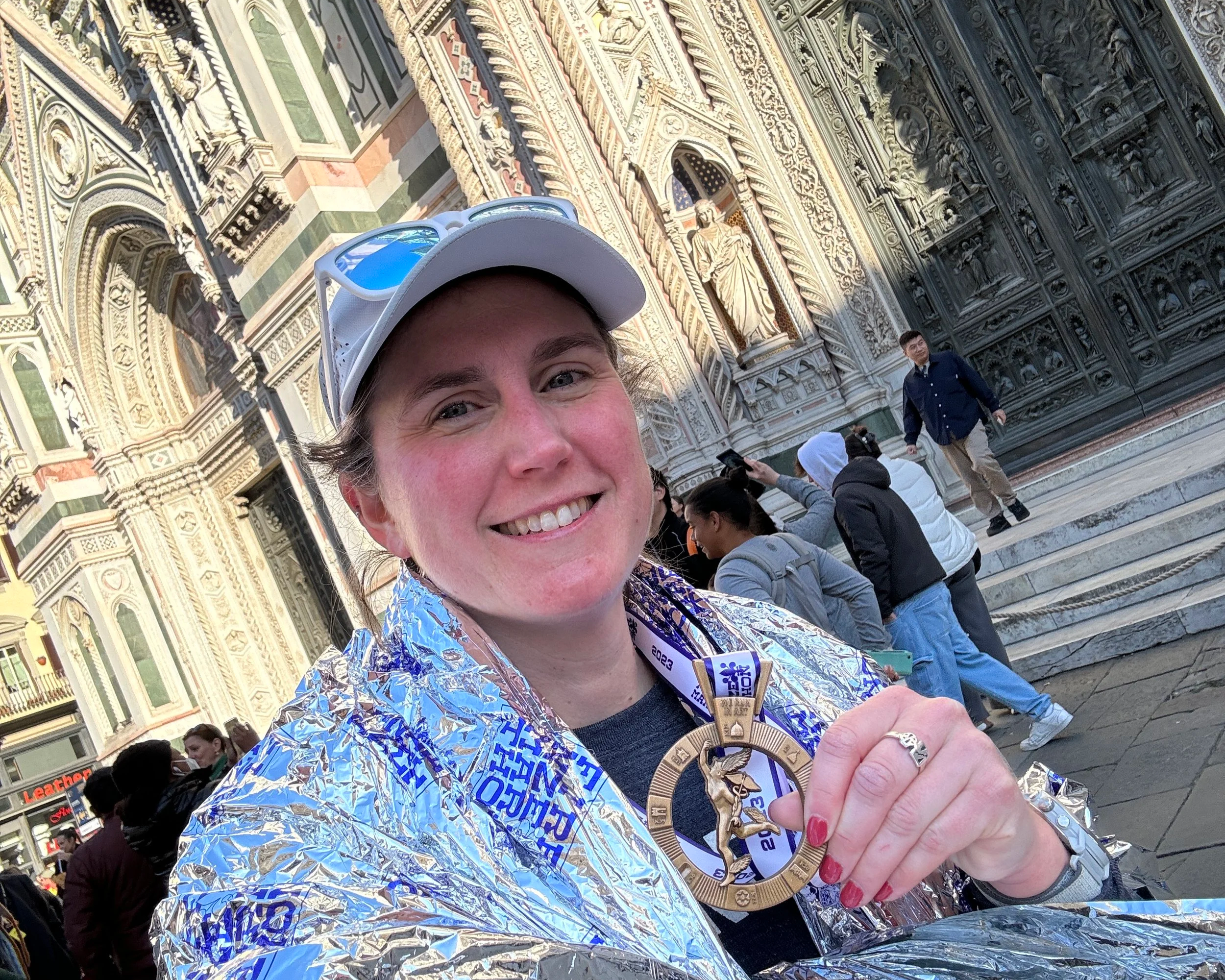
The Firenze (Florence) Marathon in Italy is a great race to consider in the shoulder season
5. Consider alternative accommodations
Of all the tips I’ve mentioned so far, this is the one that may not work for you, as it really depends on how you like to travel. If you want the best hotels, you’re going to pay for it, unless you’re using points. Personally, I usually find AirBnB’s to be cheaper when I’m traveling internationally, and they’re usually better than what you’ll find in the States. I also use Booking.com a lot to look for options, and then I go directly to the websites to see if I can find better deals (oftentimes you can). Of course there are hostels, as well, but personally I’m not interested in sharing a room with bunkbeds and strangers. I read A TON of reviews before I book anything, as I still want a comfortable stay.
If you’re a mid-budget traveler like myself, you can absolutely find some good deals on accommodations without sharing rooms with strangers, especially if you book early and you’re not in a peak season.
6. Book tickets ahead of time
If you’re planning on truly making this a racecation – meaning you’re exploring the place(s) you’re going outside of just racing, you’ll likely need to book tickets for other transportation and attractions. Take trains in Italy, for example – the earlier you buy, the cheaper the ticket. I’ve found this to be the case in a number of places, so if you know you want to see certain things or travel to other cities via bus, train, or plane, go ahead and book them now before the prices go up.
7. Use an eSIM card for data
Stop using your regular data plan when you travel internationally. Most carriers charge $10-12 per DAY, even if you’re barely using any data. Use an eSIM instead. You buy it online and install it into your phone via the app – no need to physically buy something. I personally have used Airalo for my last 3-4 international trips, but there are a number of options out there!
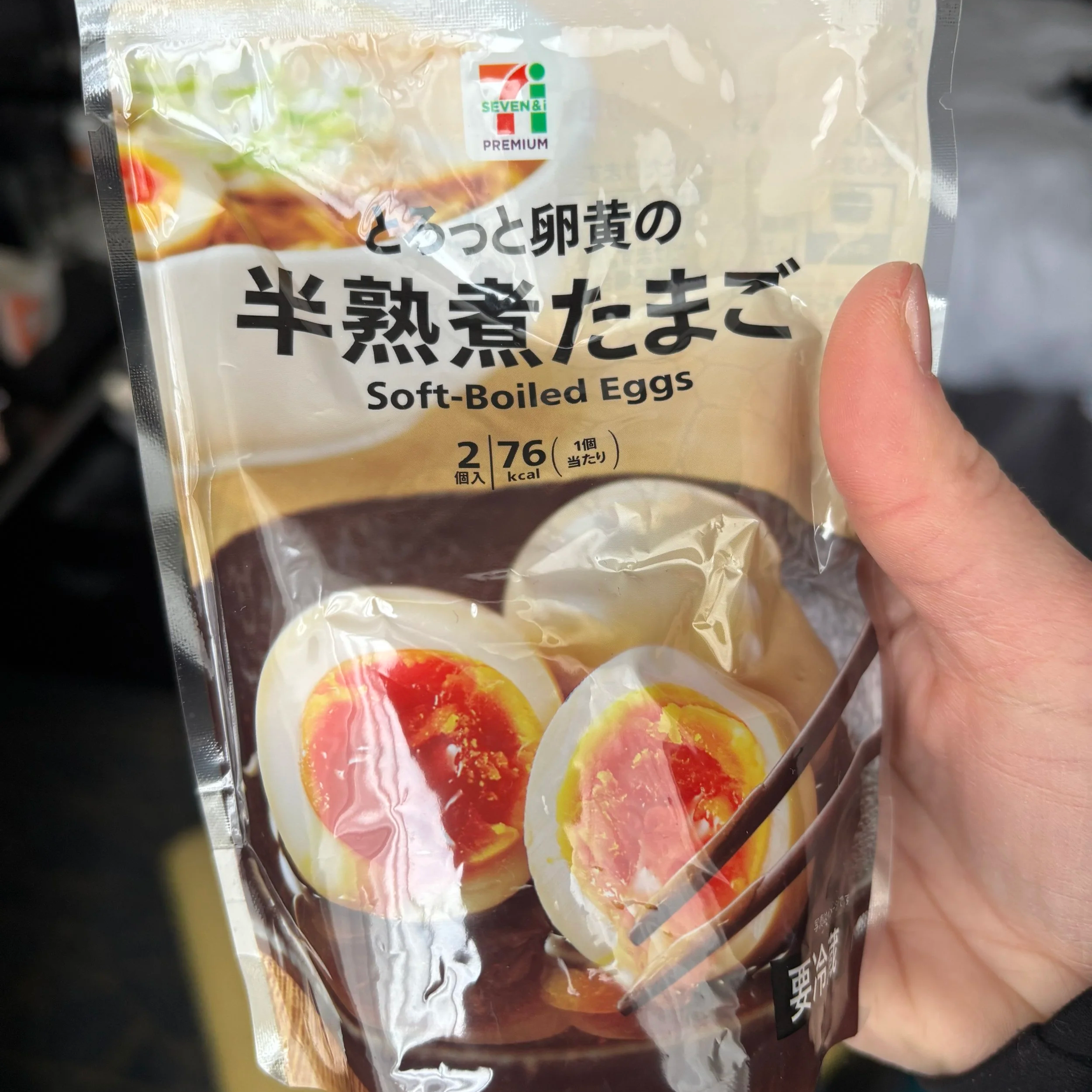
Buying breakfast + snacks from convenience stores was easy in Japan!
8. Buy some of your food at grocery stores
I do a lot of eating out when I’m traveling – for obvious reasons – but I do try to go to a local grocery store to buy some quick breakfast items and snacks to have in my room. This helps to save money and eat healthier for some meals. I also like to bring some snacks from home, just in case it’s hard to find them in whatever country I’m traveling to. This is especially important if you’re running a goal race and unsure of the food situation for carb loading. Always bring some of your own snacks in these situations.
*If you do apply for this credit card, I appreciate if you use my referral link. It costs you nothing extra, but supports my ability to continue making free content.